
Non-Surgical Spinal Decompression for Lumbar Stenosis and Nerve-Related Leg Pain Relief
Lumbar Stenosis Leg Pain Relief Treatment
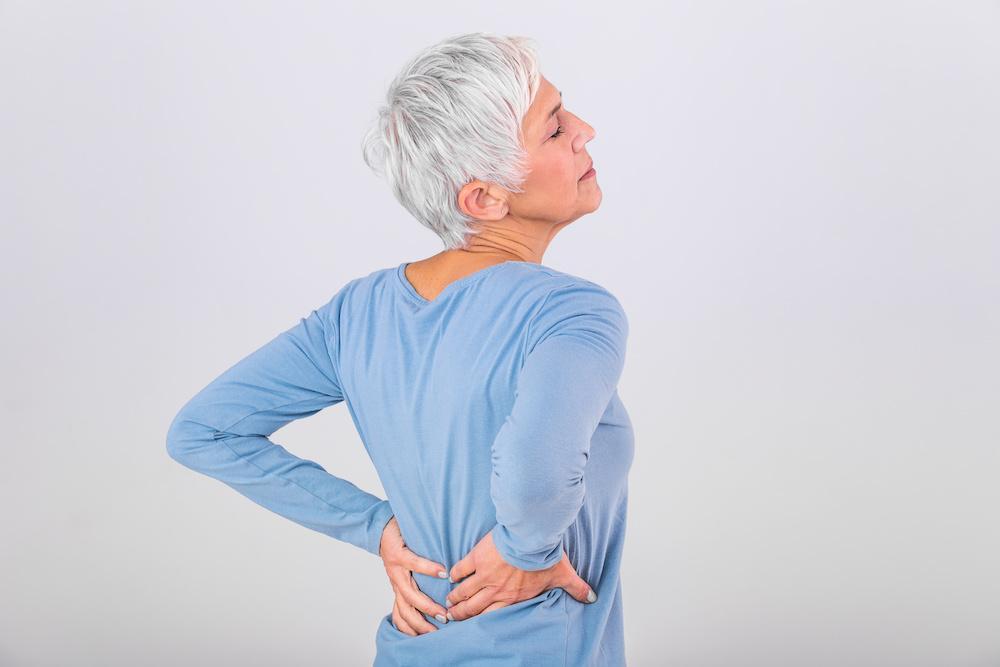
Lumbar spinal stenosis is a condition characterized by the gradual narrowing of the spinal canal in the lower back. This narrowing places physical pressure on the spinal cord and the surrounding nerve roots. As the condition progresses, individuals often experience a range of symptoms that impair their daily activities and mobility.
Common symptoms of this condition include:
- Lower back pain: A constant, dull ache or stiffness in the lower back that worsens with prolonged standing or walking.
- Radiating leg pain: Also known as sciatica, this sensation shoots down the buttock, thigh, and calf.
- Numbness, tingling, and weakness: A loss of sensation or strength in the legs and feet, which makes walking or climbing stairs challenging.
These symptoms significantly reduce a person’s quality of life and limit their ability to enjoy daily activities. Fortunately, there is a modern alternative available for individuals seeking relief from leg and nerve pain. When you are looking for an in-office spinal stenosis treatment in the Pacific Northwest, non-surgical spinal decompression offers a non-invasive path to addressing lumbar decompression and discomfort without the need for surgery.
Also Read: Why Choose Spinal Decompression Therapy for Your Back Pain?
What Is Lumbar Spinal Stenosis?
Lumbar spinal stenosis occurs when the space within the lumbar spine becomes constricted, leading to direct nerve compression. The narrowing usually develops gradually over many years, though its progression can vary by individual.
The primary causes of lumbar spinal stenosis include:
- Aging and degeneration: Over time, the natural wear and tear of the spine causes structural changes.
- Herniated or bulging discs: Discs can protrude into the spinal canal, further limiting the available space for nerves.
- Arthritis and thickened ligaments: Joint inflammation and the enlargement of spinal ligaments can compress the nerve pathways.
When these structural changes occur, they create pressure on the spinal nerves. This compression is the underlying reason why individuals experience severe nerve pain in their legs from stenosis. For those seeking an effective lumbar stenosis treatment or relief, addressing the physical compression is a priority.
Understanding Nerve-Related Leg Pain (Sciatica & Claudication)
To find lasting relief, it is helpful to understand the different types of nerve-related leg pain associated with spinal issues. Two of the most common presentations are sciatica and neurogenic claudication.
Sciatica occurs when the sciatic nerve is compressed or irritated. It typically presents as a sharp, burning, or shooting pain that travels down one leg. Neurogenic claudication, on the other hand, is directly related to lumbar stenosis. The pain, numbness, or cramping in the calves and thighs worsens with walking or standing upright and is usually relieved by sitting or bending forward.
Many traditional approaches only mask symptoms without addressing the structural narrowing that causes the discomfort. Decompression therapy targets the root cause of the nerve irritation, helping to relieve pain at the source.
How Spinal Decompression Helps Lumbar Stenosis
Non-surgical spinal decompression operates on biomechanical principles to decompress the spine and improve overall spinal health. By applying a controlled pulling force, the therapy relieves the tension and compression placed on the lumbar nerves.
The mechanism of relief includes:
- Decreasing disc bulges and herniations.
- Relieving pressure on the lumbar nerves to reduce shooting pain.
- Improving blood flow and nutrient exchange in the lower back.
This therapy is designed to treat several challenging spinal issues, including lumbar stenosis, herniated discs, and degenerative disc disease. By alleviating nerve compression, patients experience reduced nerve irritation and improved mobility.
Also read: Treating symptomatic spinal stenosis with a MILD procedure
Benefits of Non-Surgical Spinal Decompression
Choosing non-surgical spinal decompression for lumbar stenosis in Portland offers several advantages for patients seeking relief from chronic lower back and leg pain.
Key benefits include:
- No surgery or anesthesia required: Patients avoid the risks and complications associated with open spinal procedures.
- Minimal risk: There is a much lower risk of tissue damage than with invasive operations.
- Comfortable outpatient treatment: Sessions take place in a relaxed environment without requiring hospital stays.
- Faster recovery: Patients can return to their daily routines much quicker than those who undergo surgical intervention.
What to Expect During Treatment
Your path to recovery begins with a thorough consultation and examination. Providers will review your medical history and analyze your imaging, such as an MRI or X-ray, to locate the exact source of your pain.
During a typical treatment session:
- Positioning: The patient lies comfortably on the motorized decompression table, and secure support pads are adjusted to fit the body.
- Controlled stretching cycles: The computer-controlled system applies cycles of gentle stretching and relaxation, customized to the patient’s specific needs.
- Treatment plan: A typical treatment plan consists of multiple sessions spread over several weeks to allow the spine to heal gradually.
The therapy is designed to be comfortable, and most patients feel a gentle stretch rather than pain during the session.
Who Is a Good Candidate?
Non-surgical spinal decompression is best suited for individuals who suffer from chronic back and leg symptoms but want to avoid the risks of invasive procedures.
Ideal candidates for this therapy include patients experiencing:
- Lumbar stenosis.
- Chronic low back pain accompanied by radiating leg symptoms.
- Herniated or bulging discs.
The treatment is particularly beneficial for individuals who have not responded well to traditional conservative methods like physical therapy or oral medications.
When Surgery Might Still Be Needed
While decompression therapy is a highly effective conservative choice, there are situations where a surgical evaluation remains necessary. If a patient exhibits severe neurological deficits, such as a loss of bladder or bowel control, or experiences progressive muscle weakness, immediate medical intervention is required.
Decompression is best positioned as a primary, conservative option for individuals who do not display these red-flag symptoms.
Evidence & Considerations
When evaluating spinal care, it is important to consider the scientific evidence. While many patients experience strong outcomes and significant pain reduction, the medical community notes that high-quality comparative studies yield inconsistent findings.
A personalized care plan, managed by experienced providers, remains the best approach to ensuring a safe and successful recovery process.
Why Choose APMC
At Advanced Pain Management Center, we focus on providing patient-centered care for individuals suffering from lower back and leg pain. We combine advanced decompression technology with expert guidance to design personalized treatment plans tailored to each patient’s specific needs. Our team works together to integrate decompression therapy for lower back and leg pain with physical rehabilitation and pain management, providing comprehensive care for long-lasting recovery.
Also Read: Spinal Decompression for Lumbar Stenosis: What To Expect
Conclusion
Find relief without surgery today. Schedule your consultation with our experienced team to be evaluated on how spinal decompression can help lumbar stenosis and provide non-surgical treatment for lumbar spinal stenosis. When considering lumbar stenosis without surgery treatment options, our specialists offer the best treatment for nerve pain in legs from stenosis, along with spinal decompression for nerve-related leg pain and spinal decompression in Portland care.