
Radiofrequency Ablation in Portland, OR
- Home
- Pain Management Services in Portland, OR
- Radiofrequency Ablation in Portland, OR
There are multiple useful treatment techniques in musculoskeletal medicine that are both conservative enough to minimize the risks but also effective enough to decisively deal with the problem. Radiofrequency ablation is one of these kinds of treatments and is worth discussing more.
While radiofrequency ablation (RFA) can be used to shrink the size of tumors in the body, treat chronic venous insufficiency in the legs, etc., in musculoskeletal medicine, it is used to treat spine pain as well as chronic pain in the joints, primarily knee, shoulder, and hip.
At APMC, we offer this procedure and see good results in patients who need more advanced treatment to improve their quality of life.
Radiofrequency Ablation Q & A
What is Radiofrequency Ablation?
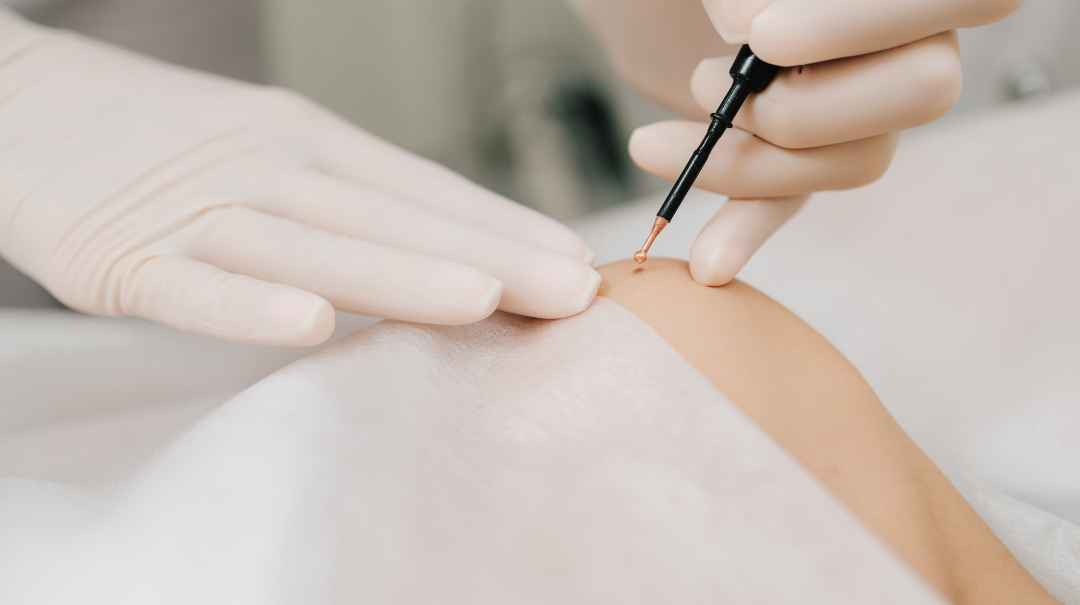
Radiofrequency ablation (RFA), also called radiofrequency neurotomy, is a procedure that involves heating a part of a pain-transmitting nerve with a radiofrequency needle to create a heat lesion. This heat lesion is produced by an electrical current, which in turn is a result of the application of a radio wave being emitted by the radiofrequency generator. This current is delivered to the target nerve through the radiofrequency needle and is used to heat up a small area of nerve tissue, thereby decreasing pain signals from that specific area. This resulting lesion prevents the nerve from sending pain signals to the brain.
RFA treatment typically provides longer-lasting pain relief compared to other therapeutic injections. The effects of RFA may last for a few months to years, after which the nerve usually regenerates, and the pain may or may not return. Fluoroscopy or X-ray guidance is used to guide the treatment needle to the target nerve.
Which Conditions Are Treated With Radiofrequency Ablation?
RFA can be used to help patients with chronic (long-lasting) low-back, neck, midback (thoracic) pain, as well as pain related to the degeneration of joints from arthritis. Currently, there are well-developed techniques to treat:
- Cervical facet joint pain related to arthritic changes of the spine or whiplash injury
- Cervicogenic headaches
- Lumbar facet joint pain
- Thoracic facet joint pain
- Sacroiliac joint pain
- Chronic pain of the knee related to arthritis, persistent postoperative pain, usually after total knee replacement, or other causes
- Chronic pain of the shoulder related to arthritis, persistent postoperative pain or other causes
- Chronic pain of the hip related to arthritis, persistent postoperative pain or other causes
Frequently Asked Questions
How long does pain relief from RFA last?
Is this procedure safe?
RFA has proven to be a safe and effective way to treat some forms of pain. It is also generally well-tolerated, with very few associated complications. There is a minimal risk of infection and bleeding at the insertion site. However, it is an exceedingly rare occasion and can be managed effectively.
What are the side effects of RFA?
The main side effect of RFA is some discomfort, including swelling and bruising at the site of the treatment, but this generally goes away after a few days.
Is this procedure painful?
In general, patients undergoing this procedure receive intravenous sedation, which eliminates the discomfort associated with it. Application of ice for the first 24 hrs after RFA and gentle heat afterward can also aid in reducing procedure-associated discomfort. We generally prescribe pain medications for the first few days as well. Overall, recovery from this procedure tends to be uneventful, and pain is not likely to last more than just a few days afterward.
Can I resume my normal activities after RFA?
Generally, yes, but you will have some minor restrictions following this procedure:
- Do not drive or operate machinery the day of the procedure; you can return to these activities the next day
- Do not engage in strenuous activity for the first 24 hrs after the procedure
- Do not soak in the bathtub for the first 2-3 days; showers are ok